


As we reflect on the story of Passover and its themes of freedom and resilience, we are reminded of the lasting power of this history to educate, inspire, and guide future generations.
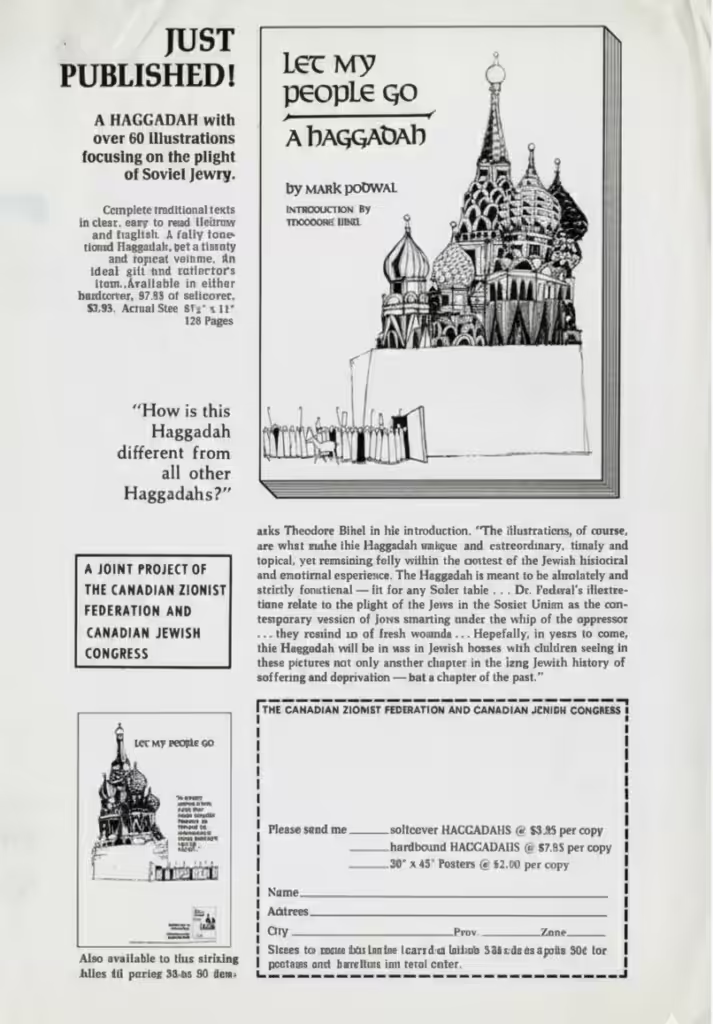
When Jacob Birnbaum first insisted that the phrase “Let My People Go” be used as a central slogan of the Soviet Jewry movement at an SSSJ rally on May 1, 1964, no one could have imagined how powerful the movement would become or how ubiquitous the slogan would become in the cause.
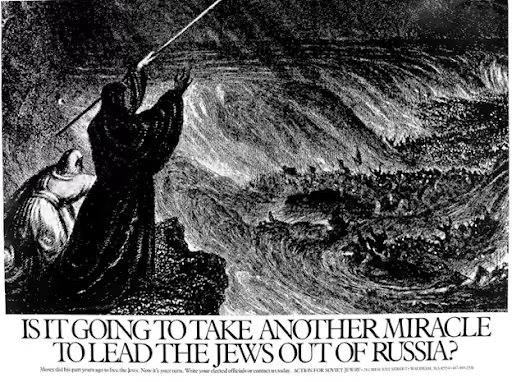
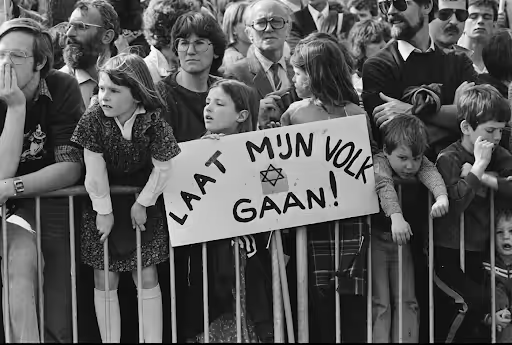
In political advocacy, a slogan succeeds when it compresses a moral argument into a few words. “Let My People Go” did precisely that:
- It established a clear demand. Not “treat them better,” but “let them go.”
- It anchored that demand in a sacred narrative, giving it emotional legitimacy and communal authority.
- It invited identification. Jews with little knowledge of Jewish tradition or observance still knew the Passover story.
- It traveled well. On posters, pins, speeches, and banners, it could be repeated endlessly without losing meaning.
- It also made the movement teachable. Parents, teachers, and rabbis could move from the Haggadah to contemporary headlines in a single step: from Pharaoh’s refusal to the Soviet state’s restrictions, from the plea of the enslaved to the pleas of those trapped behind the Iron Curtain.
As we sit around the Seder table this Passover, let us not only celebrate the Israelites’ freedom from slavery in Egypt, but also the twentieth century’s liberation of Soviet Jews, and what it took to force a modern-day Pharaoh to “Let My People Go!”
Thank you, as always, for being part of this important work.
If you have any questions or suggestions, please do not hesitate to be in touch.
If this history moves you the way it moves us, consider making a gift to help us preserve and teach it. Support SJMEP this Passover season.
Chag Same’ach! Happy Passover!